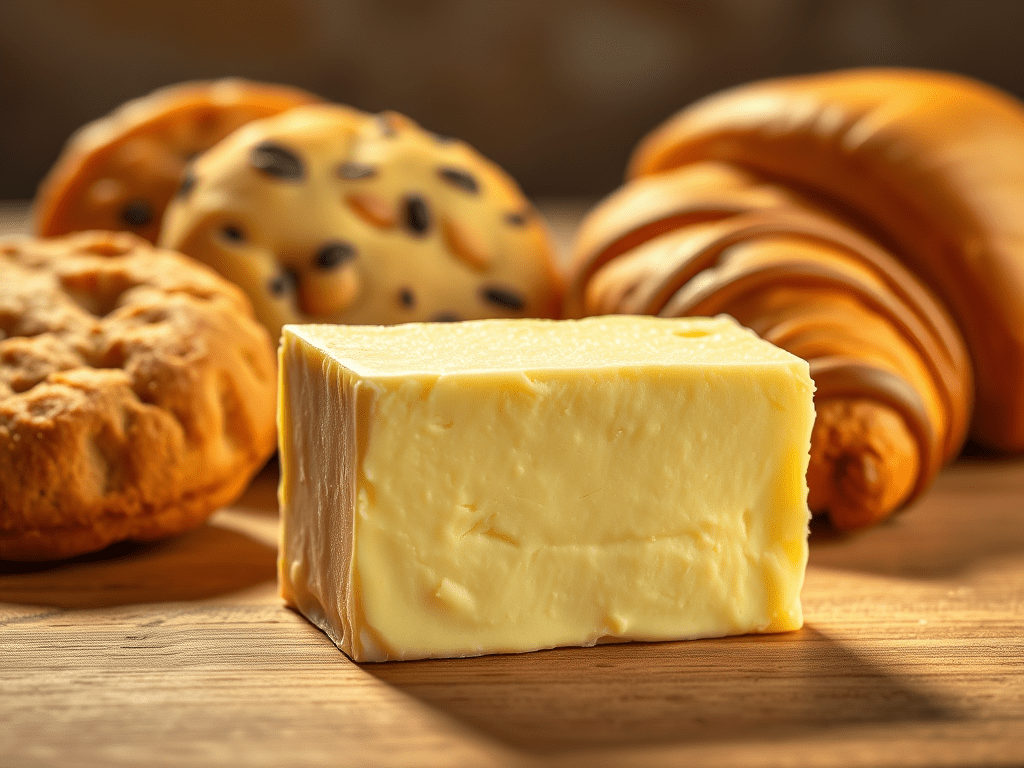
Is All Butter Created Equal? A Baker’s Guide to Choosing the Best Butter
When it comes to baking, butter isn’t just butter—it’s a key player. Whether you’re whipping up cookies, croissants, or a flaky pie crust, the butter you choose can make a big difference. So, is all butter created equal? Spoiler alert: no. Let’s dive into the buttery details.
The Butter Basics
Butter is made up of three main components: fat, water, and milk solids. The ratio of these ingredients determines how butter behaves in your baking. In the United States, regular butter contains at least 80% fat, with the remaining portion made up of water and milk solids.
European-style butter typically contains around 82% fat or more. That small bump in fat content can make a huge difference in texture and flavor in certain baked goods.
Why Fat Matters
Fat is the magic behind buttery flakiness and richness. More fat means less water, which means:
- Flakier pastries: Perfect for pie crusts, croissants, and puff pastry.
- Better texture: Cookies become more tender, and cakes more moist.
- Enhanced flavor: Richer butter means a richer-tasting bake.
European Butter: The Fancy Friend
European butter is like the VIP guest at your baking party. With its higher fat content and creamy consistency, it’s perfect for recipes where butter is the star. Think:
- Pastries: Croissants, Danish, and laminated doughs turn out flakier and more decadent.
- Shortbread Cookies: Simple recipes with few ingredients shine with the rich flavor of European butter.
- Buttercream: Creates a silkier, more luxurious frosting.
- Pie Crusts: Achieves that tender, melt-in-your-mouth texture we all crave.
Some popular European butter brands include Kerrygold, Plugrá, and Président. Yes, they can be a bit higher priced, but for special recipes the flavor and texture improvements can be worth the splurge.
When Regular Butter Works Just Fine
If you’re making everyday treats or recipes where butter isn’t the main attraction, standard butter is perfectly fine. Think brownies, muffins, or quick breads. These recipes rely more on other ingredients like chocolate or spices, so the subtle difference in butter quality isn’t as noticeable. Save your budget for when it counts!
Salted vs. Unsalted: The Great Debate
For baking, always reach for unsalted butter. Why? It lets you control the salt level in your recipe. Salted butter’s saltiness can vary by brand, which can throw off your measurements. Plus, most baking recipes are designed with unsalted butter in mind.
What Butter Does in Cookies
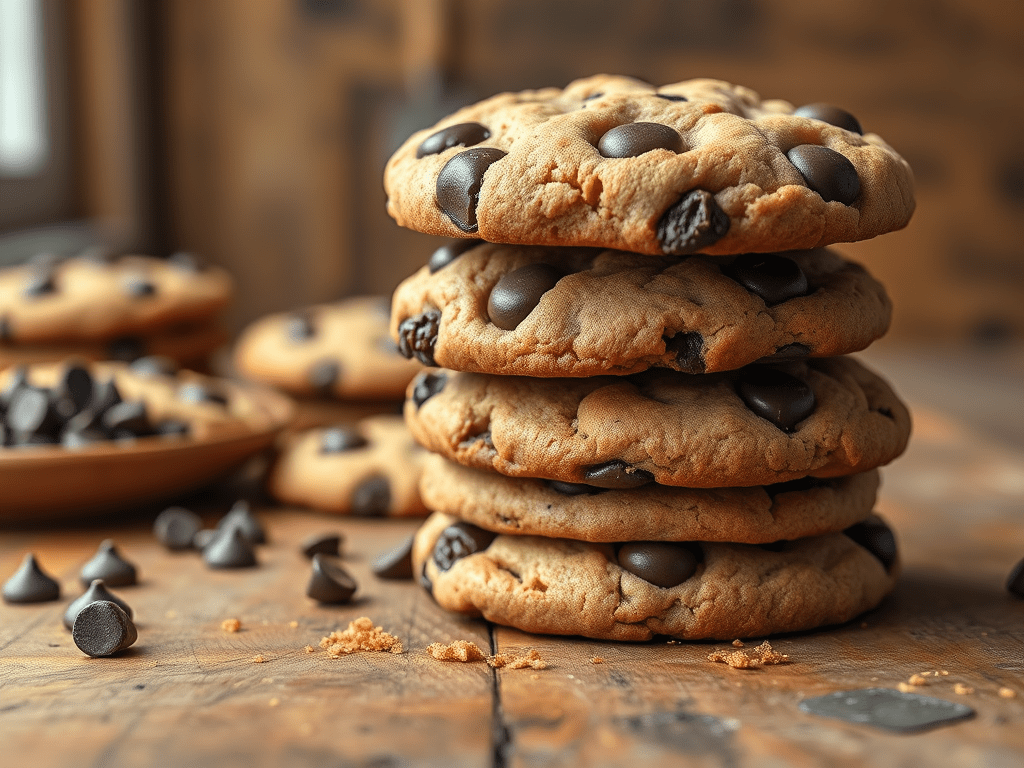
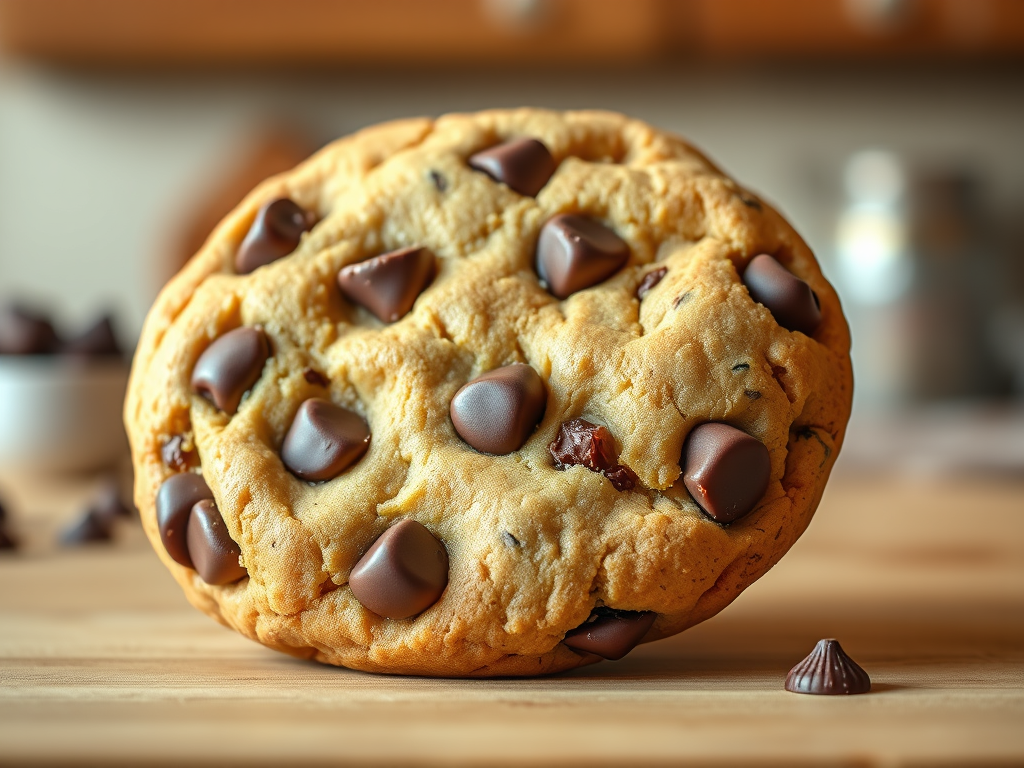
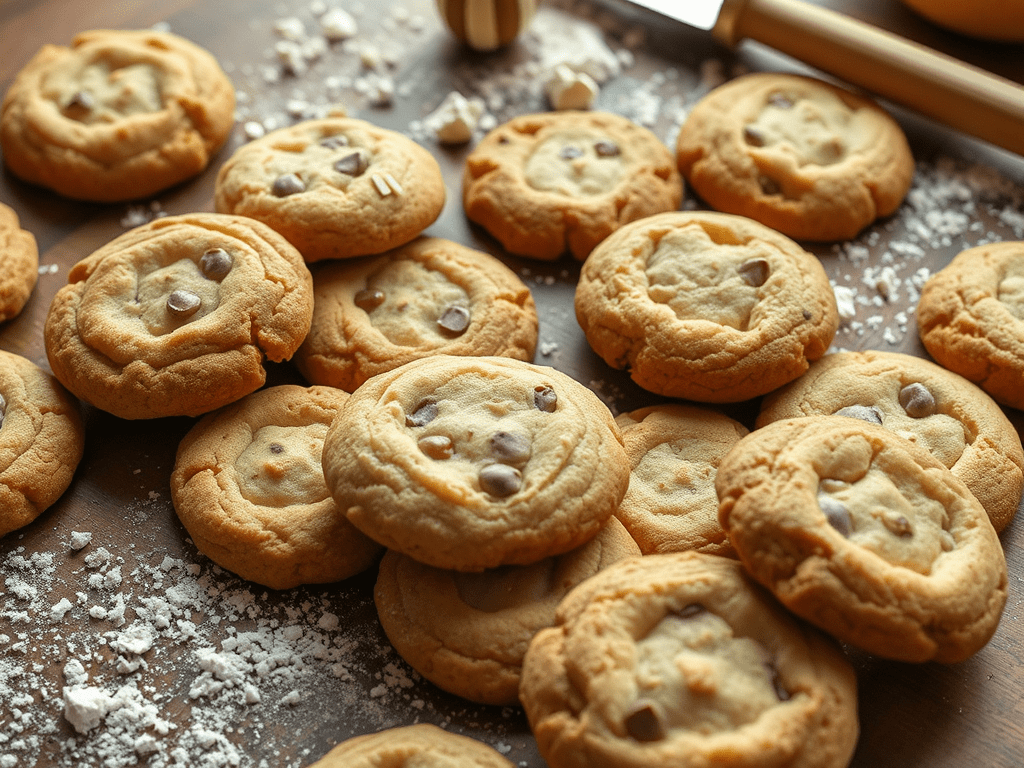
Butter plays a huge role in cookie texture, spread, and flavor.
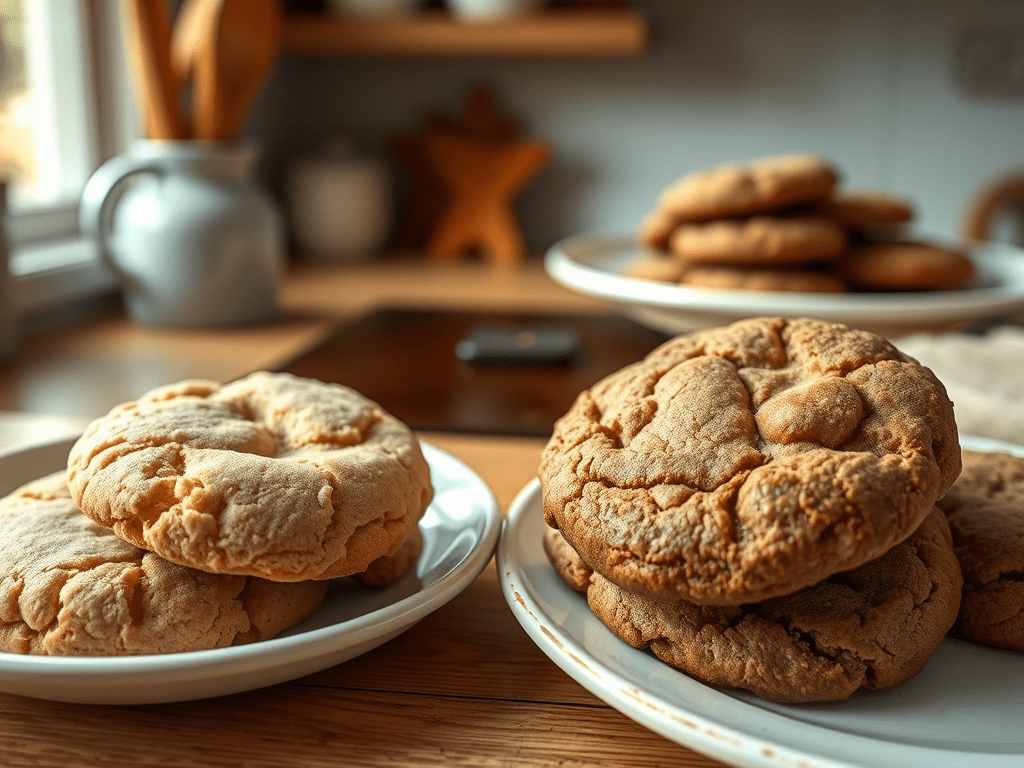
Higher-fat butter (like European-style butter) contains less water, which means cookies often spread a little less and develop a richer flavor.
Regular American butter contains slightly more water. That extra moisture can produce a bit more steam during baking, which sometimes causes cookies to spread slightly more and develop crispier edges.
Both types work well in cookies, but European butter can enhance flavor in simple butter-forward recipes.
Does Butter Temperature Matter?
Absolutely. Butter temperature can dramatically affect cookie texture.
Room temperature butter:
• Creates lighter, fluffier cookies
• Traps air during creaming
Cold butter:
• Slows spreading
• Creates thicker cookies
Melted butter:
• Produces denser cookies
• Often results in chewier cookies with deeper caramelized flavor
My Cookie Tip
If cookies are your main bake, try this simple trick:
Use high-quality unsalted butter and chill your cookie dough before baking.
Chilling dough:
• Helps control spreading
• Allows flour to hydrate
• Creates deeper flavor
Even 30–60 minutes in the refrigerator can improve your cookies.
The Final Verdict
Use European butter for recipes where butter is the star, like pastries, shortbread, and buttercream.
Stick to standard butter for everyday baking like brownies, muffins, and quick breads.
And if you want to stay in control of the salt level, reach for unsalted butter.
Butter might seem like a small ingredient, but it’s the foundation of many delicious bakes.
Understanding how it works can take your cookies, cakes, and pastries from good to unforgettable.
Happy baking!

 The Crumb Haus
Leave a comment