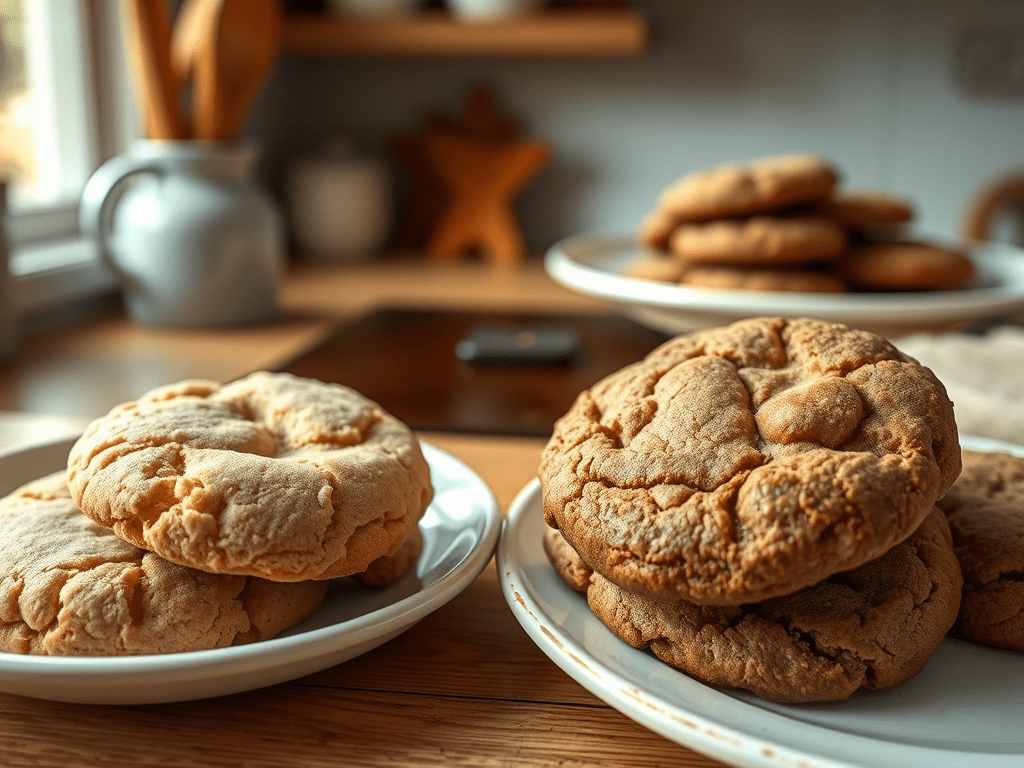
Sugar does more than just sweeten your cookies—it plays a huge role in texture, moisture, and how cookies spread in the oven. If you’ve ever wondered why some recipes use brown sugar while others use white sugar, the answer comes down to chemistry.
Let’s take a closer look at how these two sugars affect your cookies.
What’s the Difference?
White sugar is simply refined sugar. It’s dry, neutral in flavor, and dissolves easily in cookie dough.
Brown sugar, on the other hand, contains molasses, which adds moisture and a deeper flavor.
That small difference has a big impact on how cookies bake.
Cookies Made with White Sugar
Cookies made mostly with white sugar tend to be:
• crispier
• lighter in color
• more spread out
Because white sugar doesn’t contain extra moisture, cookies can spread more easily and develop crisp edges.
This is great for thin, crunchy cookies.
Cookies Made with Brown Sugar
Brown sugar adds moisture and richness to cookies.
Cookies made with more brown sugar tend to be:
• softer
• chewier
• slightly thicker
• deeper in flavor
The molasses in brown sugar helps cookies retain moisture, which is why many chewy cookie recipes use more brown sugar than white sugar.
The Best of Both Worlds
Many cookie recipes use a combination of both sugars.
White sugar helps cookies spread and develop crisp edges, while brown sugar adds moisture and chewiness.
Together they create that perfect balance of texture.
My Personal Preference
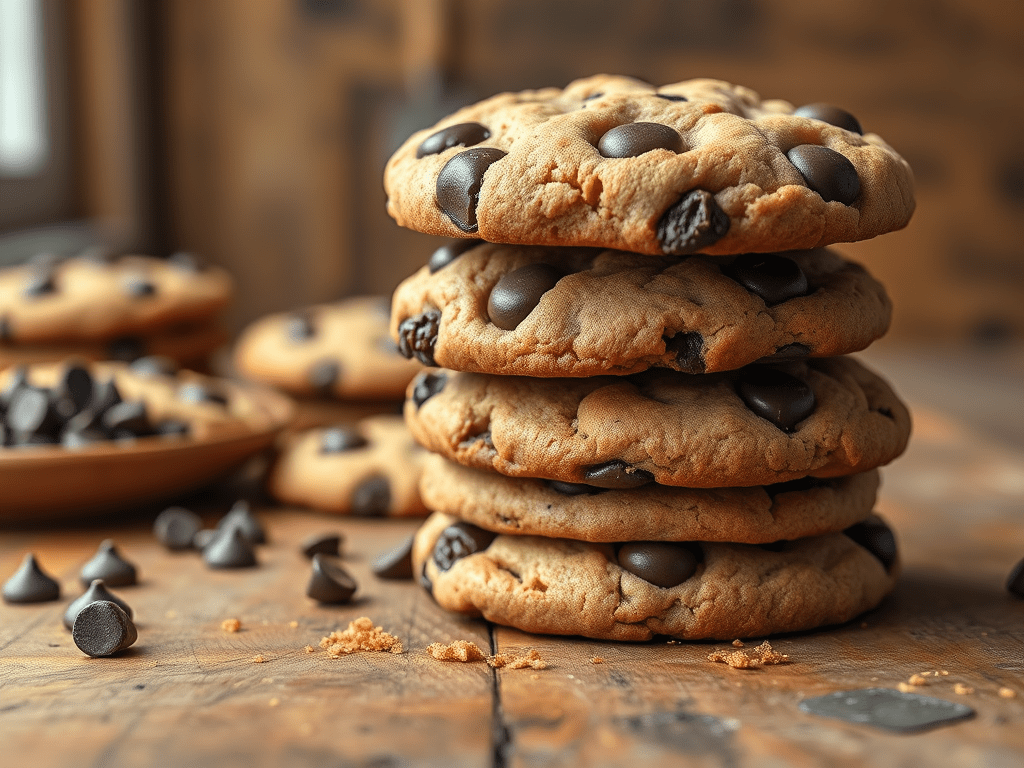
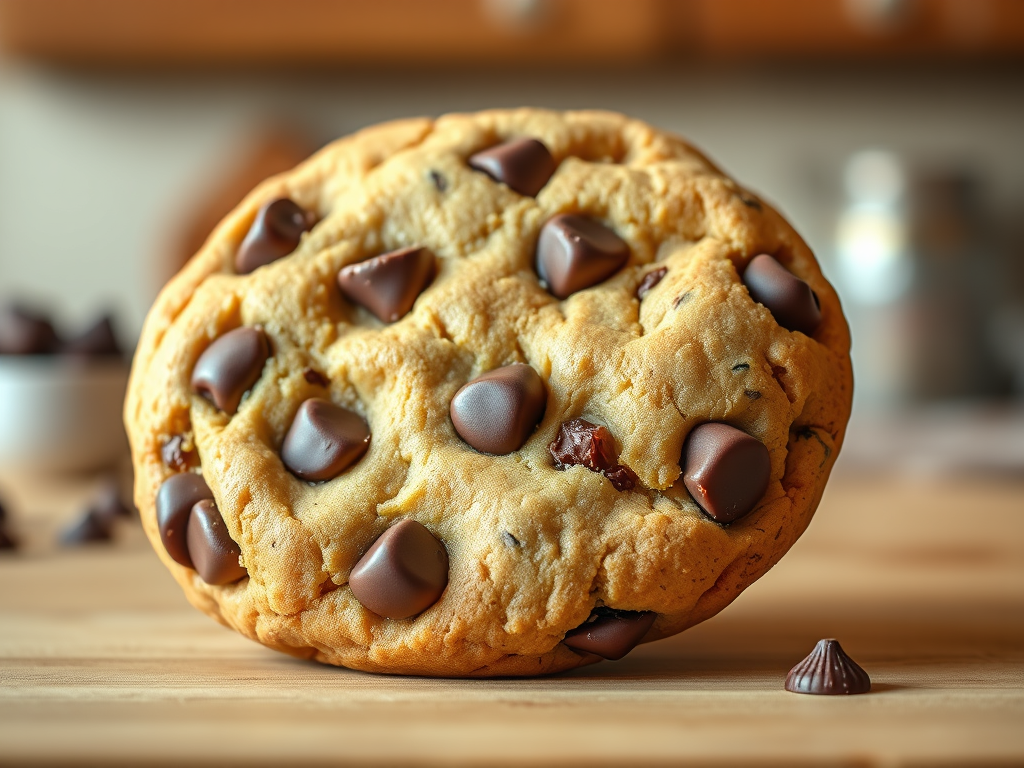
When making chocolate chip cookies, I usually prefer more brown sugar than white sugar.
It creates cookies that are soft in the center with just a little crispness around the edges—the perfect combination in my opinion.
What Does This Mean for Your Cookies?
If your cookies turn out too crisp, try increasing the brown sugar.
If they’re too soft or thick, a little more white sugar can help them spread.
Understanding how sugars work in baking gives you the power to adjust recipes and create cookies exactly the way you like them.
And that’s part of the fun of baking!


 The Crumb Haus
Leave a comment